What Makes a Photograph Worth Collecting?
Collector’s Guide
The honest answer is not the one you'll hear in most galleries, so let me get it out of the way first.
The edition size doesn't make a photograph worth collecting. Neither does the cotton rag, the pigment ink, the pencil signature, or the certificate in the envelope. Those things matter enormously — they are the difference between owning the photograph and owning a picture of it, and I've written elsewhere about why you should never buy without them. But they are hygiene, not merit. They tell you the object is real. They tell you nothing whatsoever about whether the photograph is any good.
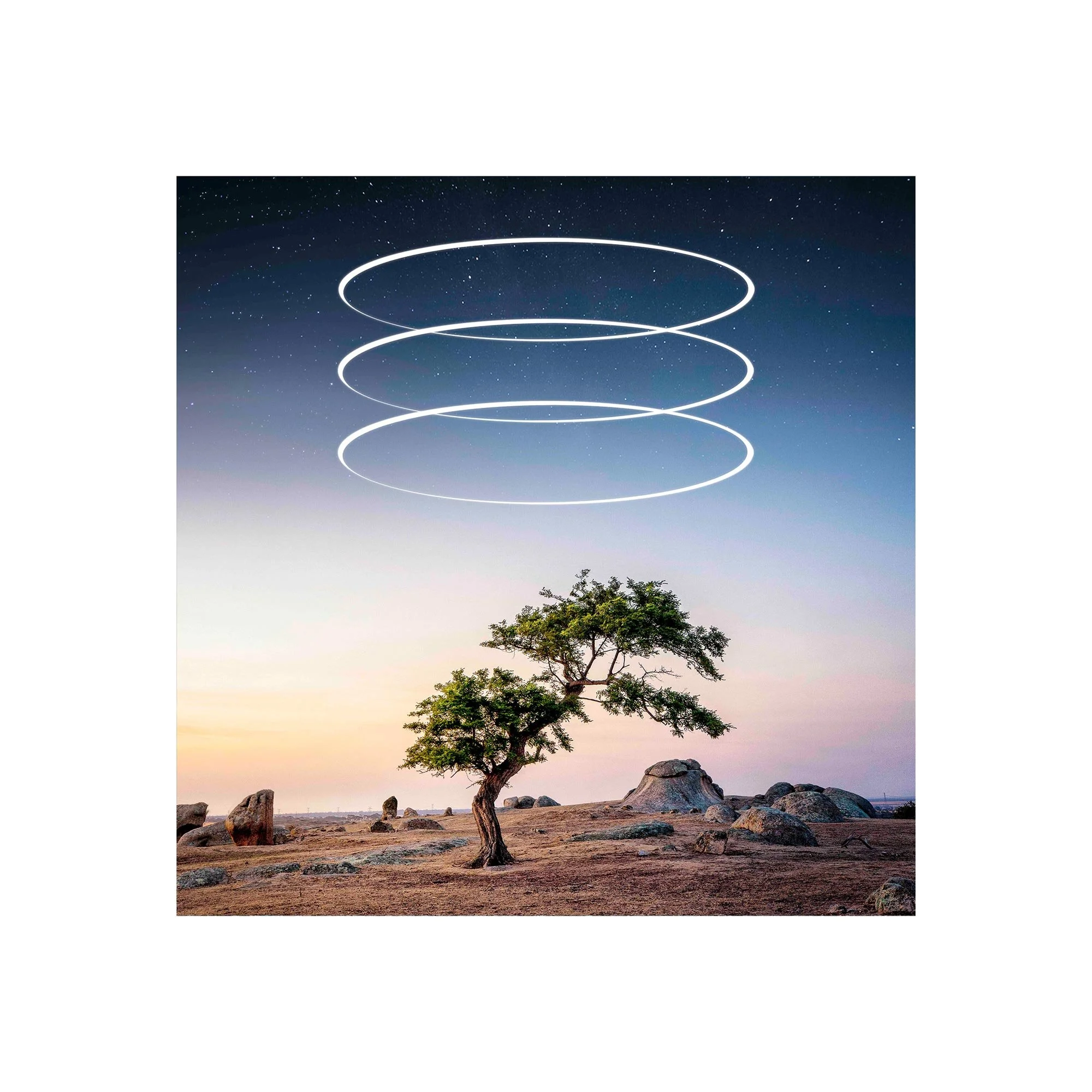
A harder question
Which means the question in the title is really a different, much harder question: how do you tell a strong photograph from a merely pleasant one? Nobody wants to answer that, because the answer is that you have to learn, and learning takes time that a gallery would rather you spent buying. Here is my attempt anyway.
Why "buy what you love" isn't enough
You will be told, endlessly, to buy what you love. It's good advice and it is not sufficient, and I think it survives mostly because it's unfalsifiable and it flatters the buyer.
The problem is that love is trainable, and untrained love reliably buys the beautiful over the good. This is not a slight on anyone — it's just how eyes work before they've been educated. A gorgeous sunset over a headland, competently made, will beat a difficult, quiet, formally rigorous photograph in almost every unschooled heart, and six months later the sunset will have gone invisible on the wall and the difficult one would still have been talking to you. The pleasant photograph is the enemy of the strong one, and it wins on first contact almost every time.
So connection matters. But it should arrive at the end of judgement, not instead of it.
Does it have a subject, or just a scene?
Here is the most useful distinction I know, and once you have it you cannot stop applying it.
A scene is what happened to be in front of the camera. A subject is what the photographer is actually arguing about. Most photographs — including a great many very accomplished ones — are scenes. They are competent records of somewhere worth being, and they are pleasant, and they are inert.
The test is simple and slightly brutal. Try to say what a photograph is about without describing what is in it. If the only sentence you can produce is "it's a beach at dawn," you're probably looking at a scene. If you find yourself saying something like "it's about how the built world stops looking man-made once you get far enough away from it," you are looking at a subject, and a photographer who has something on their mind. Buy the second kind.
Does it survive knowing?
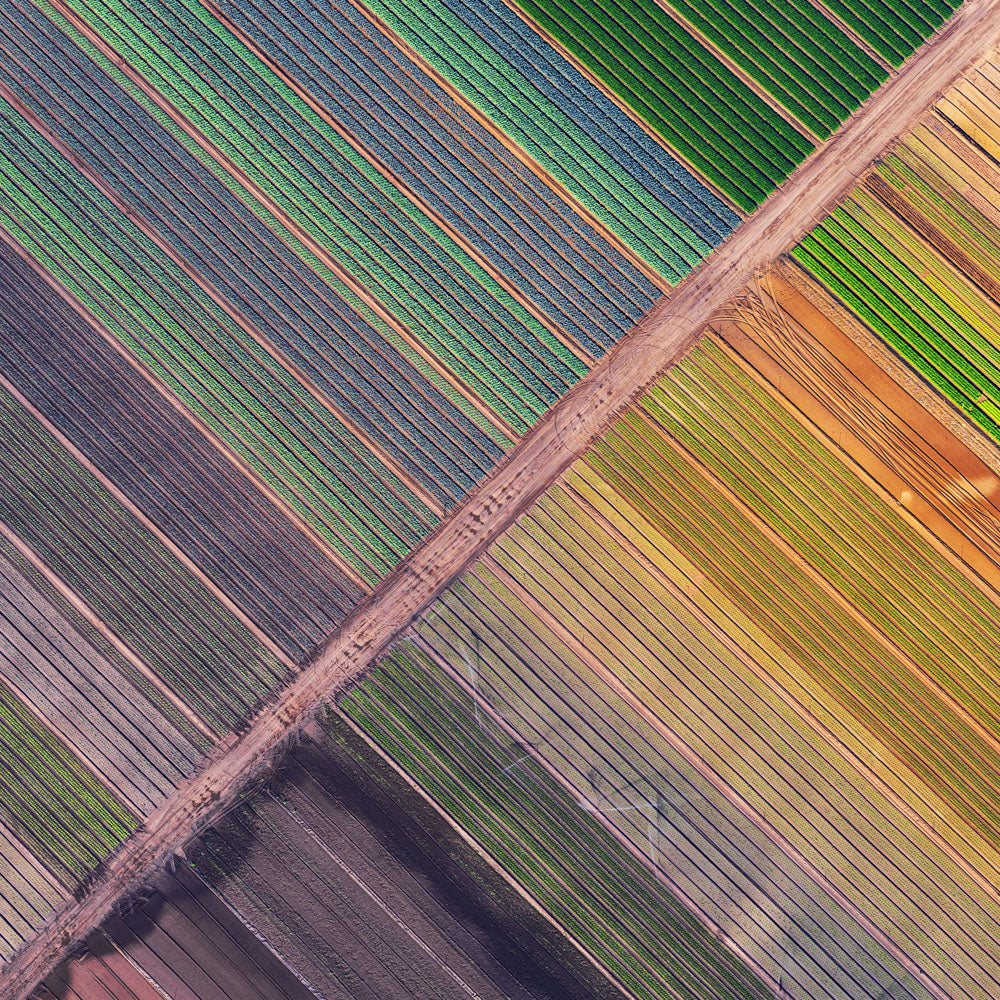
Some photographs depend on a trick — an unusual vantage, a rare event, a technique you haven't seen before, a place so extraordinary that the picture is really just a report on the place. These images are exciting exactly once. When you learn how it was done, or where it is, the air goes out of them.
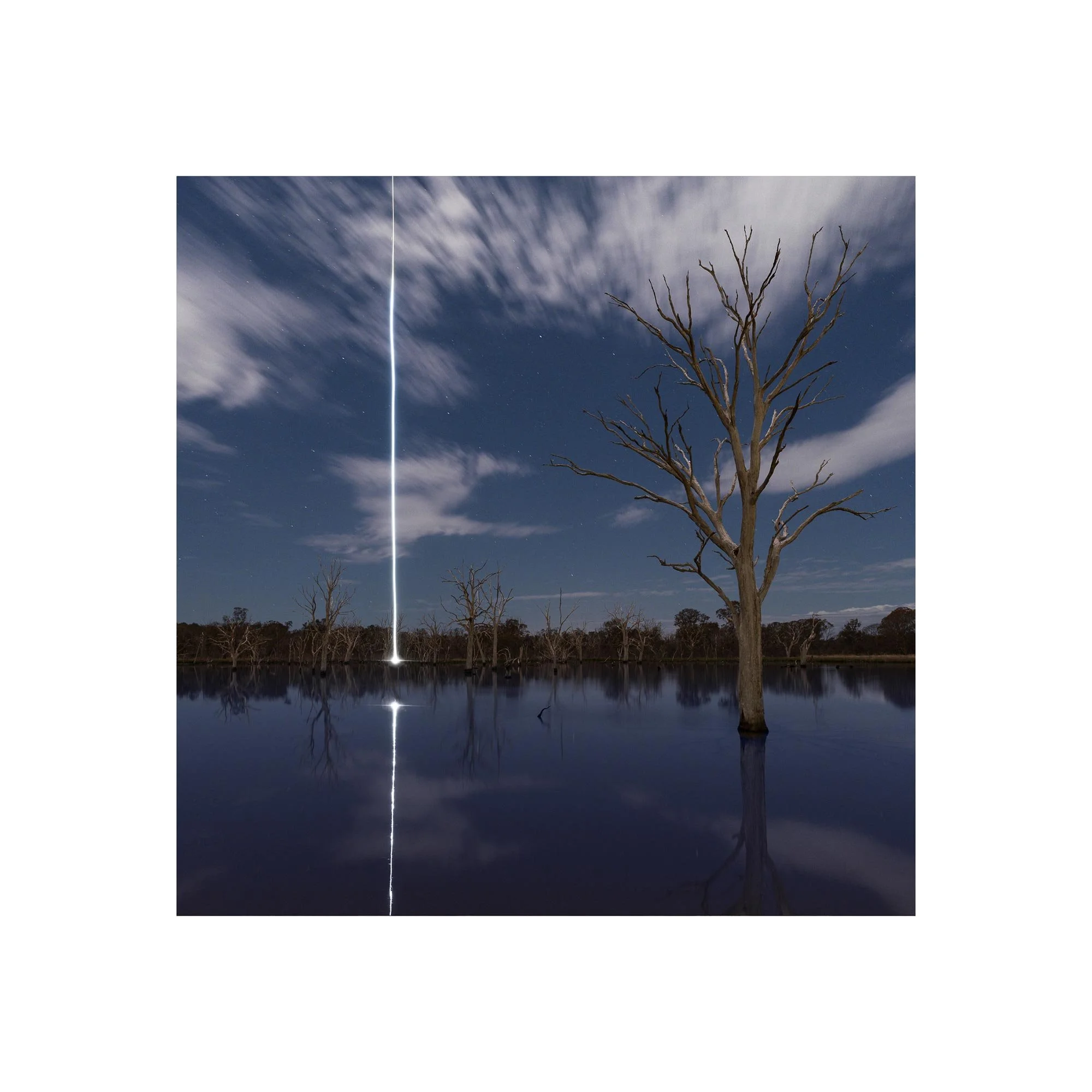
Strong work survives the explanation and is usually deepened by it. Tell me an aerial abstraction is actually a salt-harvesting operation and the picture doesn't collapse — it gets stranger, because now you know a piece of heavy industry has been photographed into something that looks like weather. Tell me a beautiful long exposure was made by leaving the shutter open, and I have nothing left to think about.
So ask: when the mystery is gone, is there anything else here?
How fast does it run out?
Time yourself, silently. How long before you have had everything the picture is going to give you?
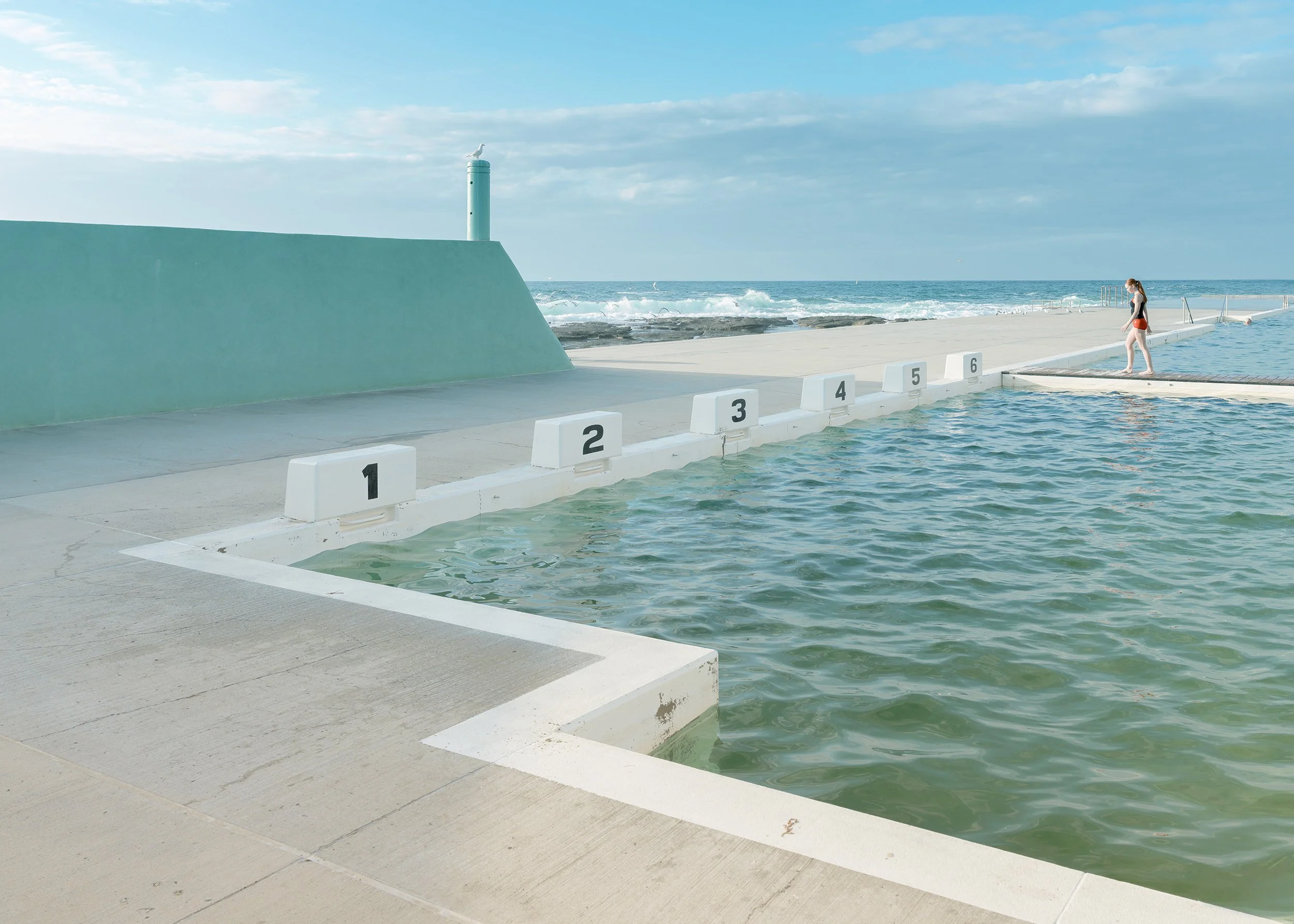
Some photographs deliver in full within two seconds. That is a real skill and it is what makes an image work on a screen, on a wall in a busy room, on a book cover. But a picture that gives you everything in two seconds is, functionally, a poster — and there is no shame in owning posters, only in paying collector prices for them. The works that reward a wall over ten years are the ones that hold something back: a passage you don't understand, a scale you can't resolve, a detail you keep going to check.
Slowness is not the same as difficulty, and it is certainly not the same as obscurity. The photographs that last are usually clear on the surface and unresolved underneath.
Is it part of something?
A single strong photograph can be luck. Anybody can make one, and a great many people have made exactly one.
A body of work cannot be luck. So the real question is almost never "is this photograph good" — it's "is this photographer good," because what you are actually buying is a small position in a practice, and the practice is the thing that will or won't compound. Look at the rest of their work. Is there a recognisable way of seeing running through it, developing? Or is it a portfolio of unrelated competencies — some landscape, some portraits, some product work, whatever was selling?
An artist with a coherent, deepening body of work is a different proposition from a very good photographer with a very good photograph. Both are worth owning. Only one of them is worth collecting.
Would you defend it?
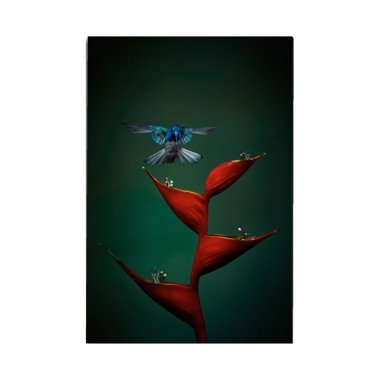
The best filter I have found is not "do I like this." It is: would I argue for this in front of an intelligent person who didn't?
That question is much more demanding than it sounds, and it eliminates an enormous amount of work very quickly. It forces you to find the actual reasons — the light, the structure, the refusal, the thing the photographer chose not to show you — and if you cannot find any, you have learned something useful about the picture. It also happens to be exactly the question a curator asks, which is why it works.
And then, the wall
The last test is the least intellectual and the least escapable: could you live with it?
These are two different questions and people confuse them constantly. The photograph you cannot stop looking at in a gallery is not always the one you can bear to see at seven in the morning for a decade. Drama exhausts. So does anything that shouts. Quiet endures, and quiet is badly undervalued by new collectors precisely because it doesn't perform in a room full of competition.
There is a version of this test that actually works, and it costs nothing. Go back. See the work again in a fortnight, and again a month after that. Photographs that were merely impressive will have thinned out. The ones that are still doing something to you on the third encounter are the ones worth owning, and the interval is the cheapest insurance in collecting.
Everything else — the edition of ten, the Canson rag, the signature in pencil, the certificate — is what makes sure the thing you chose is the thing you get, and keeps it saleable, insurable and intact for the next person. It is essential. It is just not the same as merit, and confusing the two is how people end up with an impeccably documented collection of nothing much.
A note on IRID
What a gallery is for, if it's any good, is shortening this process — not by choosing for you, but by having already done the first cut, so that the works in front of you are the ones where these questions are worth asking. That's the whole job. IRID represents contemporary Australian photographers whose work, in our judgement, survives the third encounter, and we're happy to be argued with about any of it. If you want to bring these tests to something specific, come and talk to us.