Limited Edition vs Open Edition Prints: What Collectors Should Know
Collector’s Guide
A limited edition print is one of a fixed, permanently closed number of copies — say, an edition of ten — after which the image is never printed and sold again. An open edition print is one the artist or seller can reproduce and sell in unlimited quantity, for as long as people keep buying it. That is the whole distinction, and almost everything that matters about collecting photography follows from it.
It sounds simple, and the definitions are. What isn't simple is that the words themselves are unregulated. Nobody polices them. Any seller can print "limited edition" on anything, and a great many do, which means the term on the label tells you far less than it appears to. What follows is how to read past the label to the thing that actually determines what you own.
Edition overview
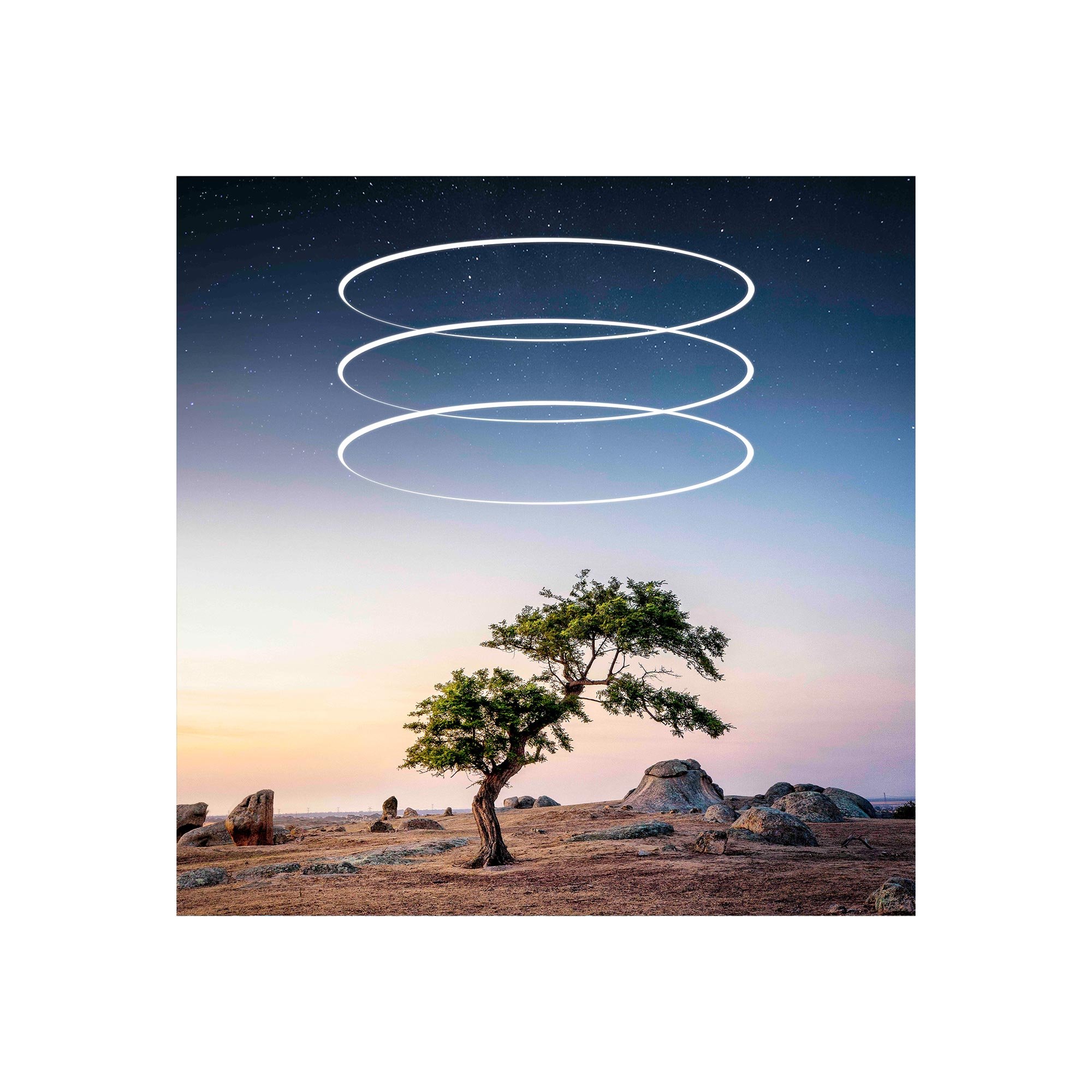
The word limited matters only when the edition is genuinely small, counted across every size and permanently closed when complete.
What each term actually means
An open edition exists to sell as many copies as there is demand. The image is a file; the file makes prints on request; the supply is effectively infinite. This is the model behind almost all print-on-demand platforms, most poster shops, and a good deal of what gets sold as "wall art." There is nothing dishonest about it in principle — an open edition is a fine way to buy a good-looking picture for a reasonable price. It simply carries no scarcity, and scarcity is the mechanism by which photographs hold or gain value. An open edition is priced as a product, and it stays priced as a product.
A limited edition exists to be scarce on purpose. The artist commits, in advance, to a fixed number of prints — the edition size — and undertakes never to produce more of that image for sale once the edition is complete. That commitment is the entire value proposition. It's what allows a photograph to behave like a collectible rather than a poster: because the supply is capped and known, each print represents a genuine fraction of everything of that image that will ever exist.
The critical word in that paragraph is commitment, because a limited edition is only as real as the discipline behind it. And this is where most of the confusion — some of it accidental, some of it not — actually lives.
The three things that make a limited edition real
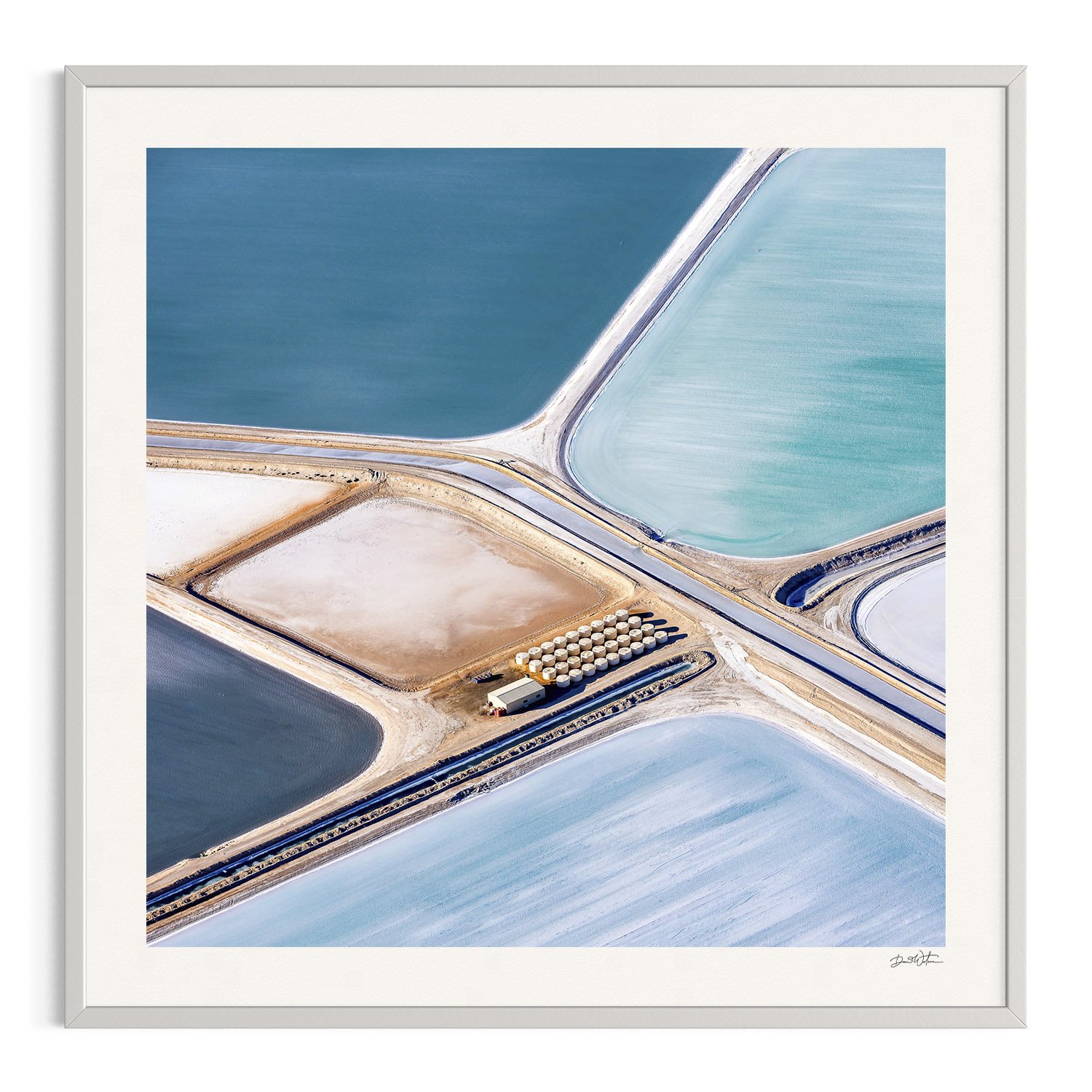
A limited edition is meaningful only when three conditions hold. Miss any one and the "limited" on the label is doing no work.
It has to be small. An edition of ten means something. An edition of five hundred does not, because five hundred of anything is not scarce, and "limited edition of 950" is simply a print run wearing a more expensive word. There's no universal cutoff, but serious contemporary photography generally lives in editions of roughly five to fifty. Once the number climbs into the hundreds, you are looking at a production decision dressed as a scarcity one.
It has to be counted across all sizes — not per size. This is the single most important thing in this article and the one almost no seller volunteers. Many photographs are offered in several sizes: small, medium, large. The honest way to edition that is to fix one number across everything — an edition of ten total, in whatever mix of sizes the ten sell as. The other way — the way that quietly inflates supply — is to declare an edition of ten per size. Offered in four sizes, that is not an edition of ten. It is an edition of forty, presented as ten. Always ask which one you're looking at, in exactly those words: is this edition counted across all sizes, or per size? A gallery running an honest edition answers instantly. Hesitation is itself the answer.
It has to actually close. A limited edition means nothing if the artist reissues the same image next year as a "special edition," or at a different crop, or in a new colourway, or on a different paper. Each of those is a way of selling the picture again after promising not to. A real edition ends. When it sells out, it's gone, and the only way to acquire that image afterwards is from someone who already owns one.
Hold those three together and you have the actual test. A print described as "limited" that is large, or counted per size, or liable to reappear in a new guise, is a limited edition in name only — and you should price it, and value it, as the open edition it functionally is.
Limited vs open, side by side
| Comparison | Open edition | Limited edition (done properly) |
|---|---|---|
| Supply | Unlimited; printed on demand | Fixed and permanently closed |
| Scarcity | None | The entire point |
| Price over time | Static; priced as a product | Can rise as the edition sells down, and after |
| Resale market | Essentially none | Possible, though thin for most artists |
| Documentation | Usually none | Signed, numbered, with a certificate of authenticity |
| What you're buying | A good-looking picture | A defined fraction of a finite artwork |
| Best for | Decorating a wall affordably | Building a collection with durable value |
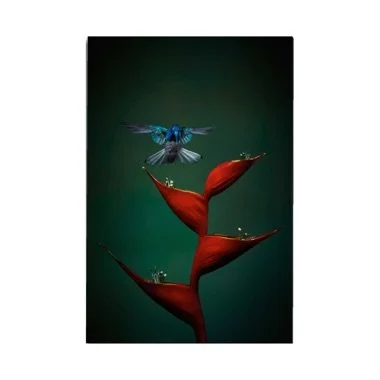
The difference is not simply price. It is whether the photograph exists as an unlimited product or as a documented fraction of a finite artwork.
Neither column is "better" in the abstract. They answer different questions. If you want something handsome above the sideboard for a modest sum, an open edition is the right and sensible choice, and paying limited-edition money for it would be the mistake. If you are collecting — buying with any thought to permanence, resale, insurance or inheritance — only the right-hand column qualifies.
The mechanics worth understanding
A few details recur often enough to be worth knowing before you buy.
Artist's proofs (APs). Beyond the numbered edition, artists conventionally keep a small number of "artist's proofs" — historically the first prints pulled to check quality, now generally held back for the artist's own use, gifts, or later sale. This is legitimate and standard. What matters is scale and disclosure: APs should number around ten per cent of the edition at most (an edition of ten might carry one or two APs), and they should be stated openly, not discovered later. An "edition of ten" that turns out to carry fifteen artist's proofs was never an edition of ten.
The price ladder. In a well-run limited edition, the price rises as the edition sells down. The first prints are released at the lowest price; each subsequent tranche is offered higher. This isn't a sales gimmick — it's scarcity being priced in real time, and it's the concrete reason coming early to an artist you believe in is an advantage: you buy at the foot of a ladder the gallery is committed to climbing. It's also a far more meaningful thing than the folklore that low edition numbers are inherently more desirable. For a modern archival pigment print, print number 2 and print number 9 are physically identical objects; the number is provenance, not quality.
Signature and numbering. A limited edition print should be signed and numbered by the artist, by hand — conventionally in pencil, in the margin, as "3/10" and so on. Not stamped, not printed as part of the image, not signed by a studio assistant. The hand-signature is part of what makes the print the artwork rather than a copy of it.
The certificate of authenticity. A proper edition comes with a certificate naming the work, the edition size and this print's number, the year, the process, the paper, and the artist's or gallery's signature. That document is not a souvenir. It is what makes the work saleable, insurable and inheritable — a limited edition without documentation is, at resale, very hard to distinguish from a claim.
So which should you buy?
Be honest with yourself about which question you're answering, because the two edition types are genuinely for different things.
Buy an open edition when you want a particular image on your wall, you love how it looks, and you have no expectation of it being anything other than what it is. That is a completely respectable purchase and often the sensible one. Just don't pay collector prices for it, and don't expect it to hold value, because it won't and it was never meant to.
Buy a limited edition when you are collecting — when permanence, provenance and the possibility of future value are part of why you're buying. And when you do, don't take "limited" on trust. Ask the three questions: how large is the edition, is it counted across all sizes or per size, and is the image ever reissued in any form. The answers, given quickly and in plain terms, are the difference between a photograph that behaves like an artwork and one that merely looks like one.
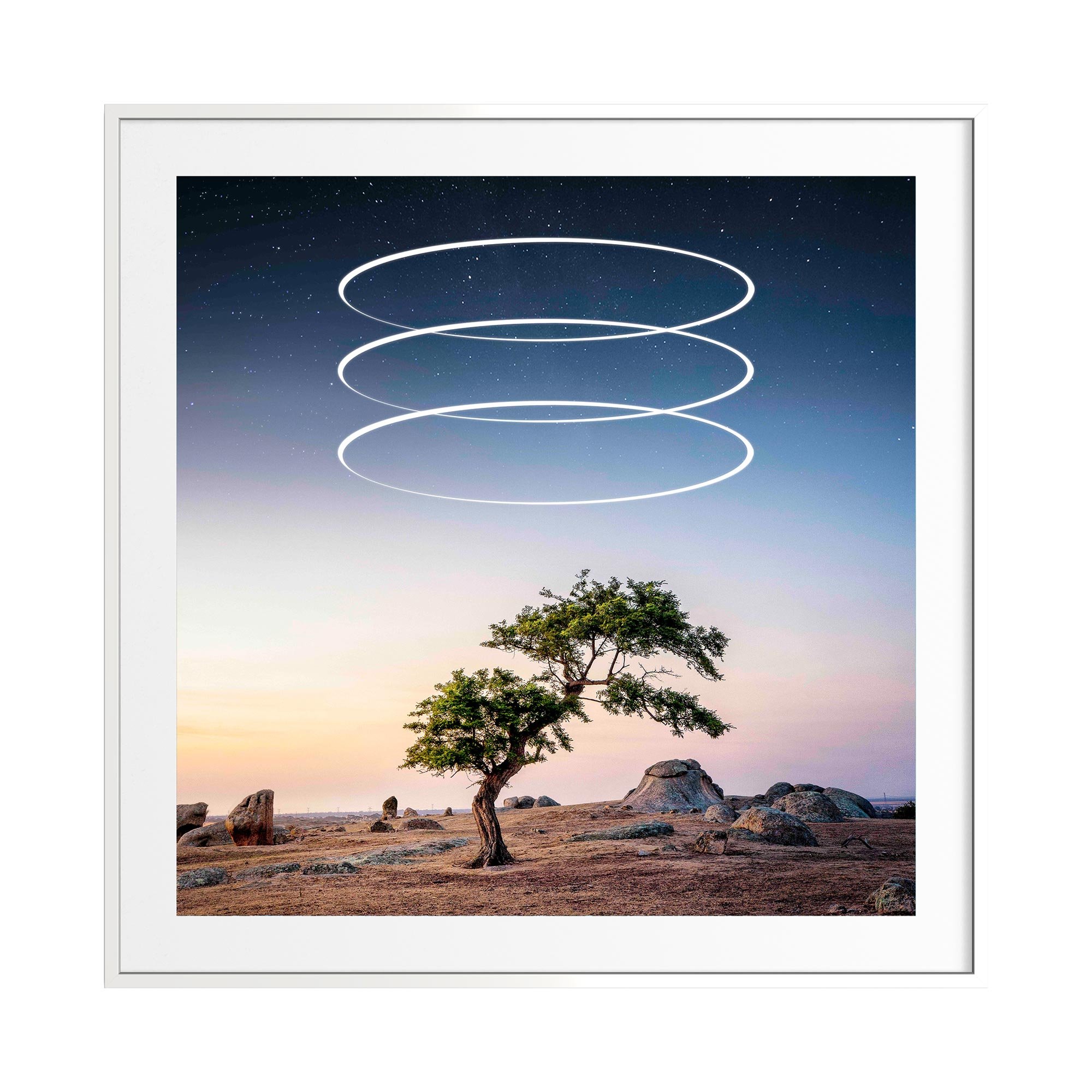
A note on IRID
Every photograph IRID represents is produced as a genuine limited edition on that basis: a fixed edition counted across all sizes, closed on completion and never reissued, signed and numbered by the artist, and accompanied by a certificate of authenticity. We hold and enforce the register, so that what a collector is told about an edition remains true for the life of the work. If you want to understand exactly how a particular image is editioned before you buy, that's a question we're always glad to answer precisely.
